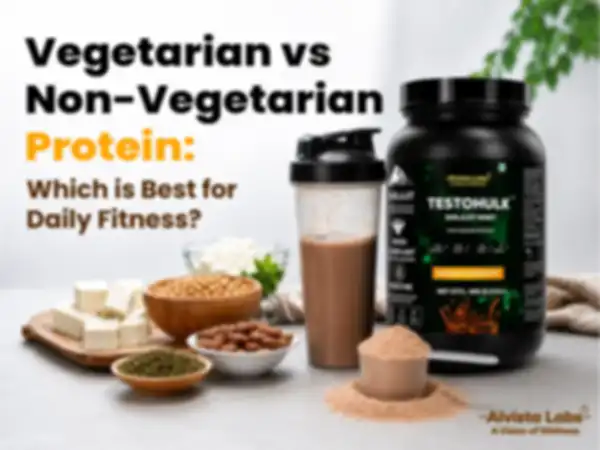
Vegetarian vs. Non-Vegetarian Protein: Which is Best for Daily Fitness?
Written by: Krishna Kant Tyagi (Founder & CEO, Alvista Labs)
Reviewed by: Ankit Jha (BAMS, M.D.)
Protein is the ultimate building block of a healthy lifestyle. Whether you are hitting the gym to build muscle, recovering from intense workouts, or simply trying to maintain your daily energy levels, getting enough high-quality protein is non-negotiable.
But if you are navigating the fitness world, you've likely run into the age-old debate: Vegetarian vs. non-vegetarian protein—which one is truly best for your fitness goals?
The truth is, it’s not a simple case of one being inherently superior to the other. Both plant-based and animal-based diets can fuel an elite fitness routine—if you know how to structure them. The right choice ultimately depends on your personal dietary ethics, fitness goals, and unique digestive system.
In this comprehensive guide, we will break down the science behind both protein types, comparing their quality, muscle-building potential, digestibility, and how they impact your overall health.
Why Protein Matters for Daily Fitness
Before comparing sources, let’s look at exactly what protein does for your body when you exercise regularly. Protein isn't just for bodybuilders; it is essential to:
- Repair Micro-Tears: Rebuilds muscle fibers stressed during workouts.
- Fuel Metabolism: Supports lean muscle mass, which naturally burns more calories at rest.
- Manage Hunger: Promotes satiety by regulating hunger hormones, keeping cravings at bay.
- Support Structural Health: Maintains the integrity of your bones, cartilage, and immune system.
If you lead an active lifestyle, your protein requirements are significantly higher than someone with a sedentary desk job. Here is a general breakdown of what your daily intake should look like:
Daily Protein Requirements by Activity Level
Activity LevelDaily Protein TargetIdeal For...Sedentary Adults0.8 g per kg of body weightGeneral health, minimal daily movementRegular Exercise1.0 – 1.2 g per kg of body weightLight cardio, yoga, or jogging 3-4 times a weekStrength Training1.4 – 2.0 g per kg of body weightWeightlifting, resistance training, muscle buildingAthletes / Intense TrainingUp to 2.2 g per kg of body weightCompetitive sports, high-volume endurance training
Medical Note: Individual nutritional needs are highly personal. If you have underlying health conditions, such as chronic kidney disease, please consult a registered dietitian to determine your ideal daily macros.
The Vegetarian Protein Guide: Clean & Fiber-Rich
A common misconception is that vegetarian diets lack robust protein options. In reality, a well-planned vegetarian diet utilizing plant-based staples and dairy can easily fulfill your daily fitness quotas.
Top Vegetarian Protein Sources:
- Legumes & Pulses: Lentils (dal), chickpeas (chana), and kidney beans (rajma).
- Soy Staples: Tofu, tempeh, and soy chunks.
- Dairy Essentials: Paneer, Greek yogurt, milk, and curd.
- Whole Grains & Seeds: Quinoa, oats, almonds, pumpkin seeds, and chia seeds.
The Added Benefits:
When you eat vegetarian protein, you aren't just getting macros. You are also fueling your body with vital micronutrients, including dietary fiber (crucial for gut health), antioxidants that fight workout-induced oxidative stress, and essential vitamins and minerals.
The Non-Vegetarian Protein Guide: Efficient & Complete
Non-vegetarian protein sources are highly prized in the fitness community for one major reason: efficiency. They naturally contain all the essential building blocks your body cannot make on its own.
Top Non-Vegetarian Protein Sources:
- Lean Poultry: Chicken breast and turkey.
- Seafood: Fish (salmon, tuna, mackerel), prawns, and shellfish.
- Whole Eggs: One of the most bioavailable protein sources on the planet.
- Lean Meats: Moderate cuts of beef or lamb.
The Added Benefits:
Aside from a dense concentration of protein per gram, non-veg sources are naturally rich in Vitamin B12 (essential for nerve function and energy), Heme Iron (which is absorbed more easily than plant iron), Zinc, and Omega-3 fatty acids (found heavily in fatty fish to reduce joint inflammation).
Side-by-Side Comparison: Vegetarian vs. Non-Veg Protein
Nutritional FactorVegetarian ProteinNon-Veg ProteinProtein BioavailabilityModerate to High (Dairy/Soy are highly bioavailable)Extremely High (Easily absorbed by human muscle)Amino Acid ProfileVaried (Some sources must be combined to form a complete profile)Naturally Complete (Contains all 9 essential amino acids)Fiber ContentHighly abundant (Supports gut microbiome)Virtually zeroSaturated FatGenerally very low (Unless consuming heavy amounts of full-fat dairy)Varies significantly (Low in chicken/fish; higher in red meat)Cardiovascular ImpactHighly supportive of heart healthHighly supportive if focusing on lean options and fishDigestive SpeedSlower due to complex carbohydrates and fiberFast to moderate, depending on the fat content
The Core Fitness Questions Answered
Best vegetarian protein for muscle building ?
Muscle hypertrophy (growth) fundamentally relies on three things: a progressive resistance training program, a caloric surplus or maintenance, and meeting your total daily amino acid requirements.
Because animal proteins inherently contain an optimal balance of all nine essential amino acids—particularly leucine, the trigger switch for muscle protein synthesis—they are incredibly efficient for muscle building.
However, vegetarian fitness enthusiasts can build identical amounts of muscle. According to a landmark study published in Sports Medicine, as long as total daily protein intake is sufficient and supplemented properly, plant-based diets yield muscle mass gains equivalent to omnivorous diets. The key is variety. By combining different plant proteins (like rice and lentils) or utilizing clean dairy sources like paneer and whey protein, you ensure your muscles get the exact same amino acid building blocks.
Can Vegetarians Get "Complete" Proteins?
Yes, absolutely. A "complete" protein simply means it contains all nine essential amino acids that your body cannot synthesize on its own.
You do not need meat to get them. Complete vegetarian sources include soy products (tofu, tempeh, soy chunks), dairy (paneer, milk, curd), quinoa, and eggs (if you follow an ovo-vegetarian diet). Furthermore, classic Indian meal combinations like Rice + Dal or Roti + Chana naturally complement each other to form a perfect, complete protein profile at mealtime.
Is it Safe to Eat Non-Veg Every Single Day?
If your daily non-veg intake consists of clean, lean sources like grilled chicken breast, baked fish, or boiled eggs, it can safely and healthily form part of your daily diet.
The health risks traditionally associated with non-vegetarian diets usually stem from processed meats (sausages, salami, bacon), deep-fried preparations, and excessive consumption of high-fat red meats. To keep your health markers optimal, focus on clean cooking methods like steaming, grilling, or baking rather than deep frying.
The Final Verdict: What's Best For You?
When it comes to daily fitness, there is no universal winner.
- Choose a vegetarian approach if you prefer a high-fiber diet, want to focus heavily on long-term heart health via plant compounds, or follow ethical/cultural dietary paths.
- Choose a non-vegetarian approach if you want maximum protein density per calorie, prefer the convenience of naturally complete proteins, or need to easily hit high protein targets without consuming extra carbohydrates.
The ultimate fitness diet isn't the one touted by influencers; it is the one that you can consistently maintain, that digests well with your unique body, and effortlessly meets your nutritional needs day after day.
Frequently Asked Questions
Is paneer a good quality protein for weight loss?
Yes. Paneer is an excellent, complete dairy protein. However, because it also contains dietary fats, it is more calorie-dense than tofu or chicken breast. If weight loss is your goal, consume it in moderation and account for the total calories.
Can I build an elite physique without eating meat?
Without a doubt. Countless professional athletes, bodybuilders, and MMA fighters follow strictly vegetarian or vegan lifestyles. Utilizing a diverse mix of legumes, soy, dairy, and a high-quality whey or plant protein supplement makes building an elite physique entirely possible.
How many eggs can I safely eat every day?
For the vast majority of healthy individuals, consuming 1–2 whole eggs daily is perfectly safe and highly beneficial for fitness. If you have a history of hypercholesterolemia or heart disease, consult your physician regarding your specific daily egg yolk allowance.
Medical Disclaimer
The information provided in this article is for educational pur